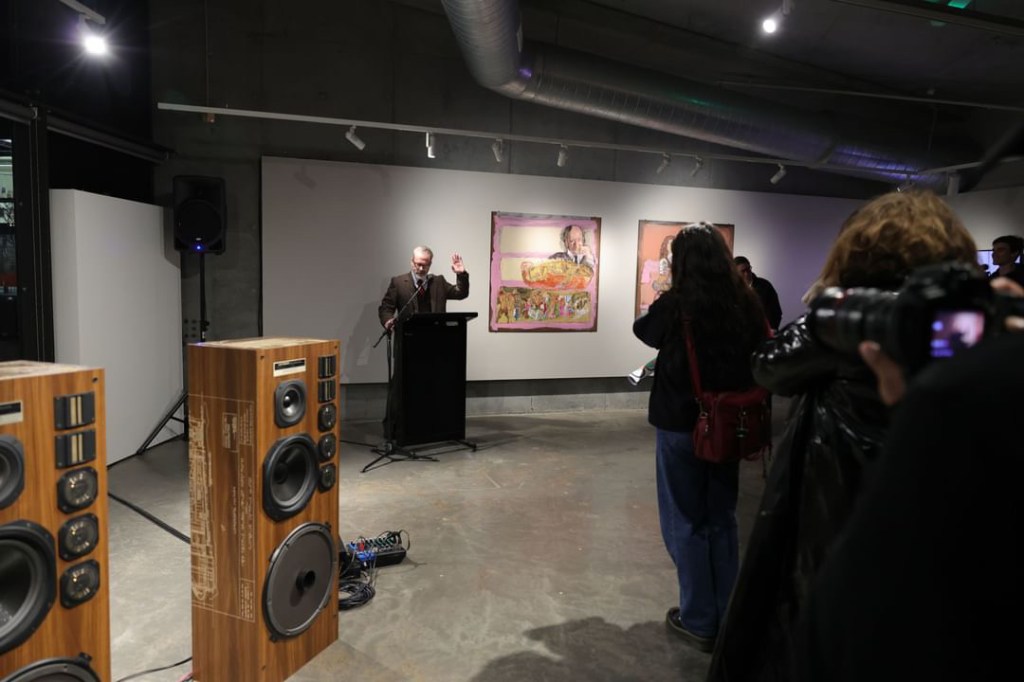
Opting Out, 2024
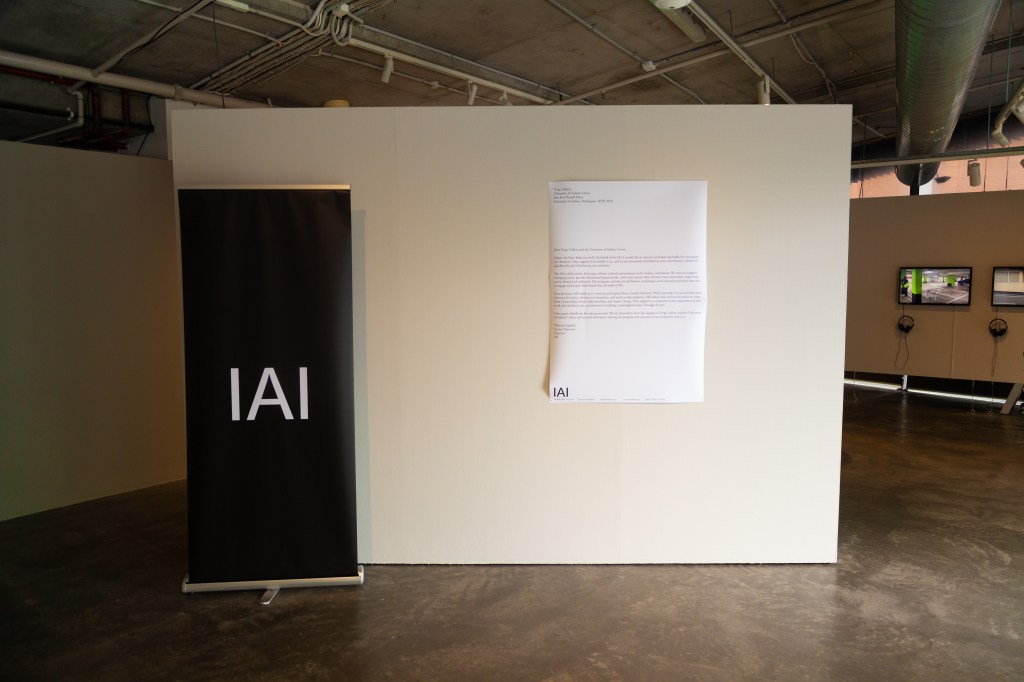
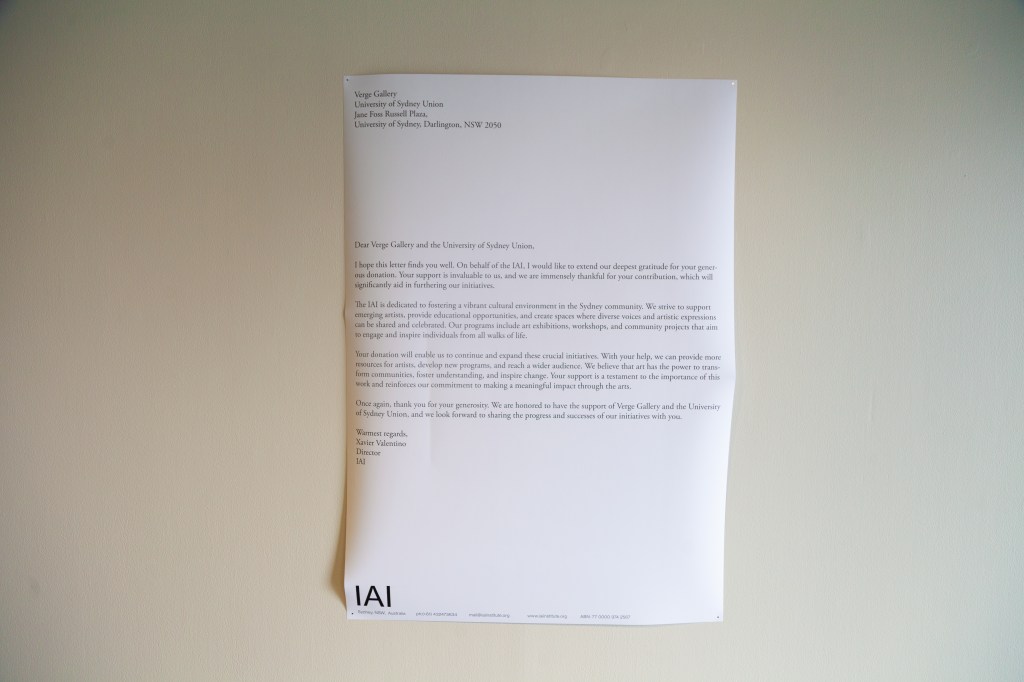
This work for the Verge Gallery’s ten-year anniversary group show critically examines the performative and bureaucratic nature of the art world. Instead of presenting physical artworks, the piece takes the form of a printed thank-you letter addressed to the gallery and the university, acknowledging a donation that was used to fund future exhibitions. This act of turning support into a conceptual gesture embodies an explicit refusal to engage with traditional exhibition formats or material display.
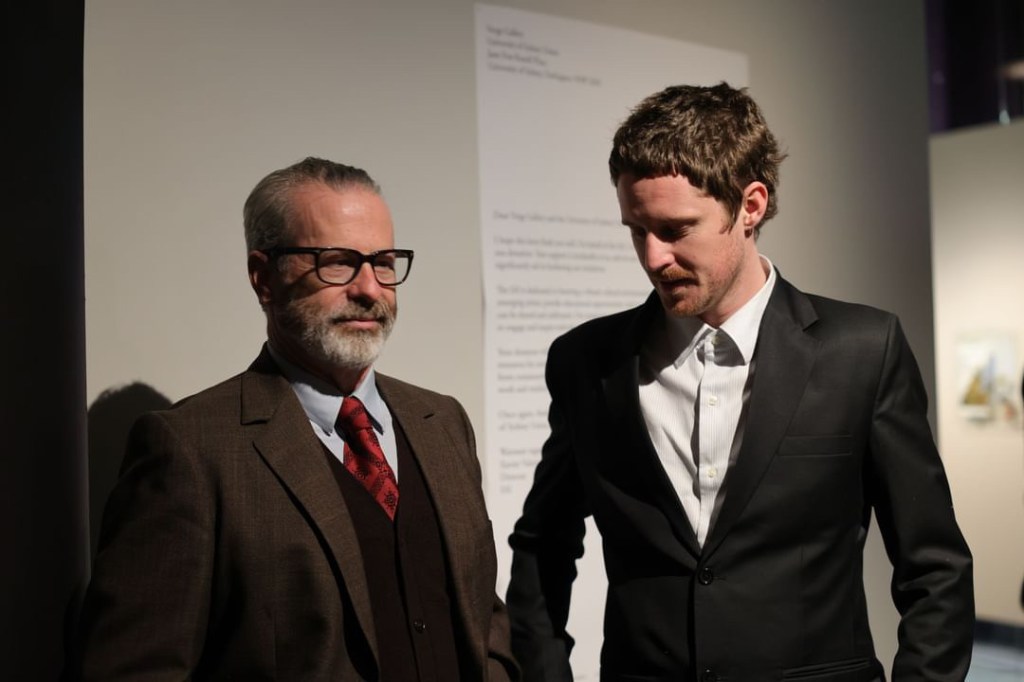
Accompanying the form was a hired speaker delivering an overly long, bureaucratic speech—an intentionally tedious monologue lasting approximately five minutes—that exemplifies the hollow rituals often associated with institutional ceremonies. The speech, laden with clichés and formalities, highlights how institutional gestures of gratitude frequently serve to reinforce appearances rather than foster genuine engagement or change.
The letter itself functions as a parody of institutional gratitude—an exaggerated, verbose acknowledgment that underscores how support in the art world can often be superficial, driven by protocol rather than substance. The act of “opting out” is literal: support is acknowledged without the exchange of artworks or meaningful dialogue, instead simply affirming the support through a formal, non-material gesture.
This project questions the machinery of bureaucracy and performance embedded within the art system—spaces where protocol and appearances often take precedence over authentic artistic or social progress. It interrogates the legitimacy of institutional gestures and how they can serve to uphold existing power structures rather than challenge them.
Rooted in broader ideas about systemic control, this work demonstrates that opting out—refusing participation in the performative routines—may be the only way to critically confront the mechanisms that sustain the status quo. It invites reflection on what support truly entails, what is gained or lost through participation, and whether genuine resistance is possible within systems dominated by spectacle and protocol.
“Opting Out” prompts a reconsideration of the performative layers underpinning the contemporary art world, questioning the authenticity of institutional gestures and the true capacity for meaningful change within a system rooted in appearances.
 IAI Institute