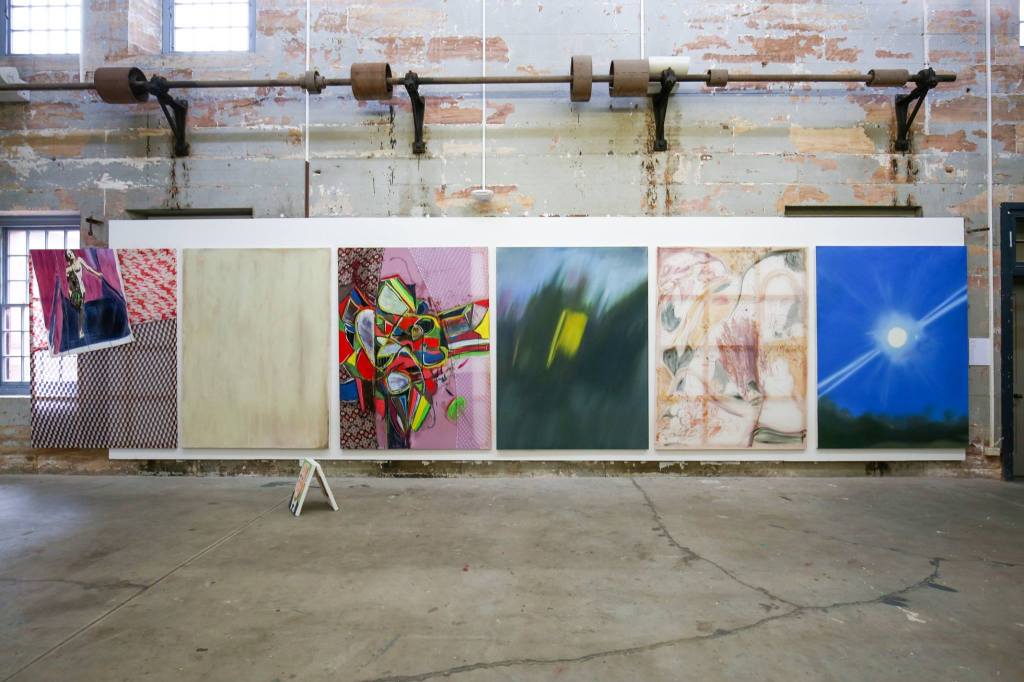
Ektorp Suite, 2016
Ektorp Suite investigates the diminishing political relevance of painting within contemporary discourse. The title, a reference to an IKEA sofa, functions as a layered critique of the often ambiguous European naming conventions that cloak commercial exhibitions in obscurity, while also evoking the banal familiarity of mass-produced consumer culture.
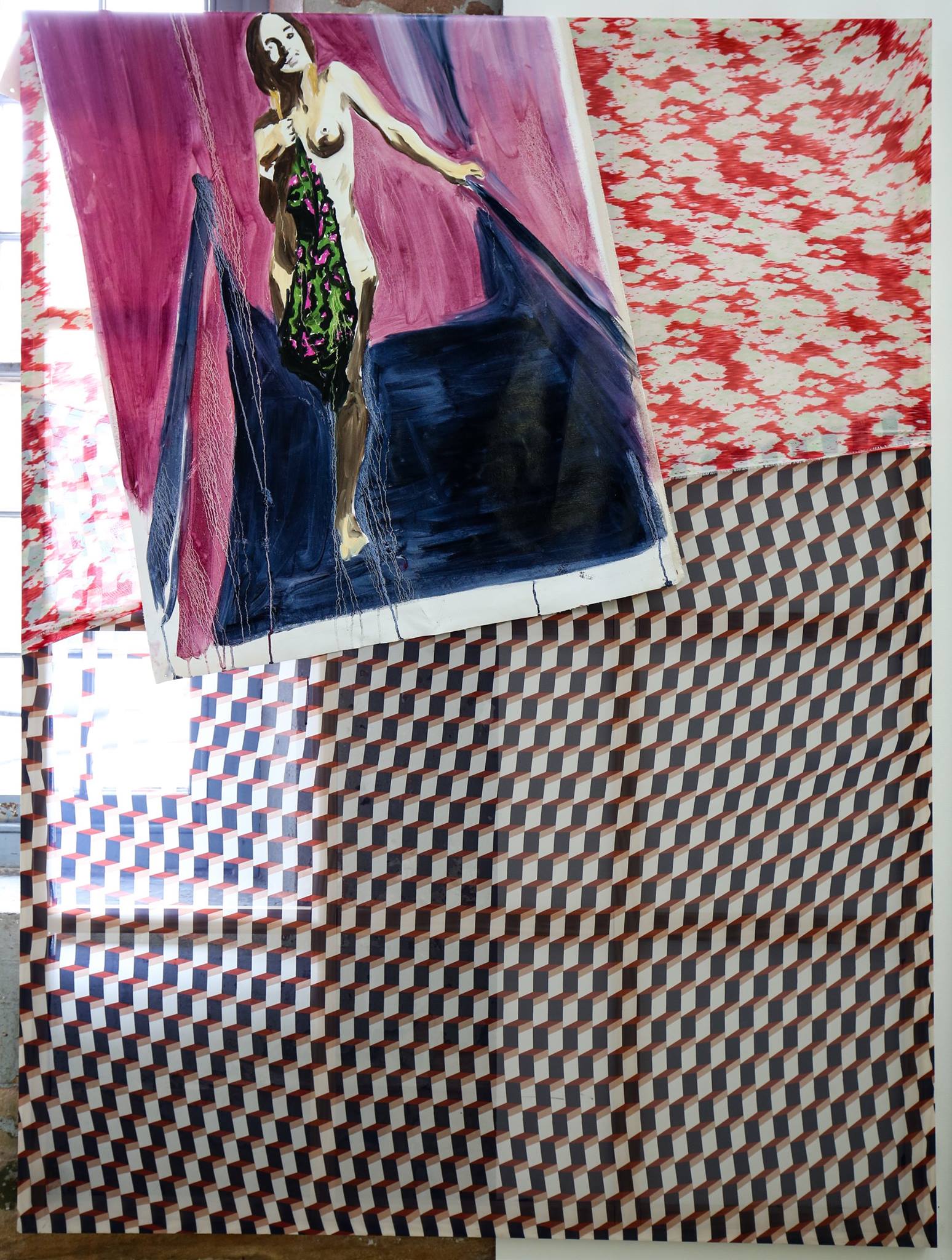
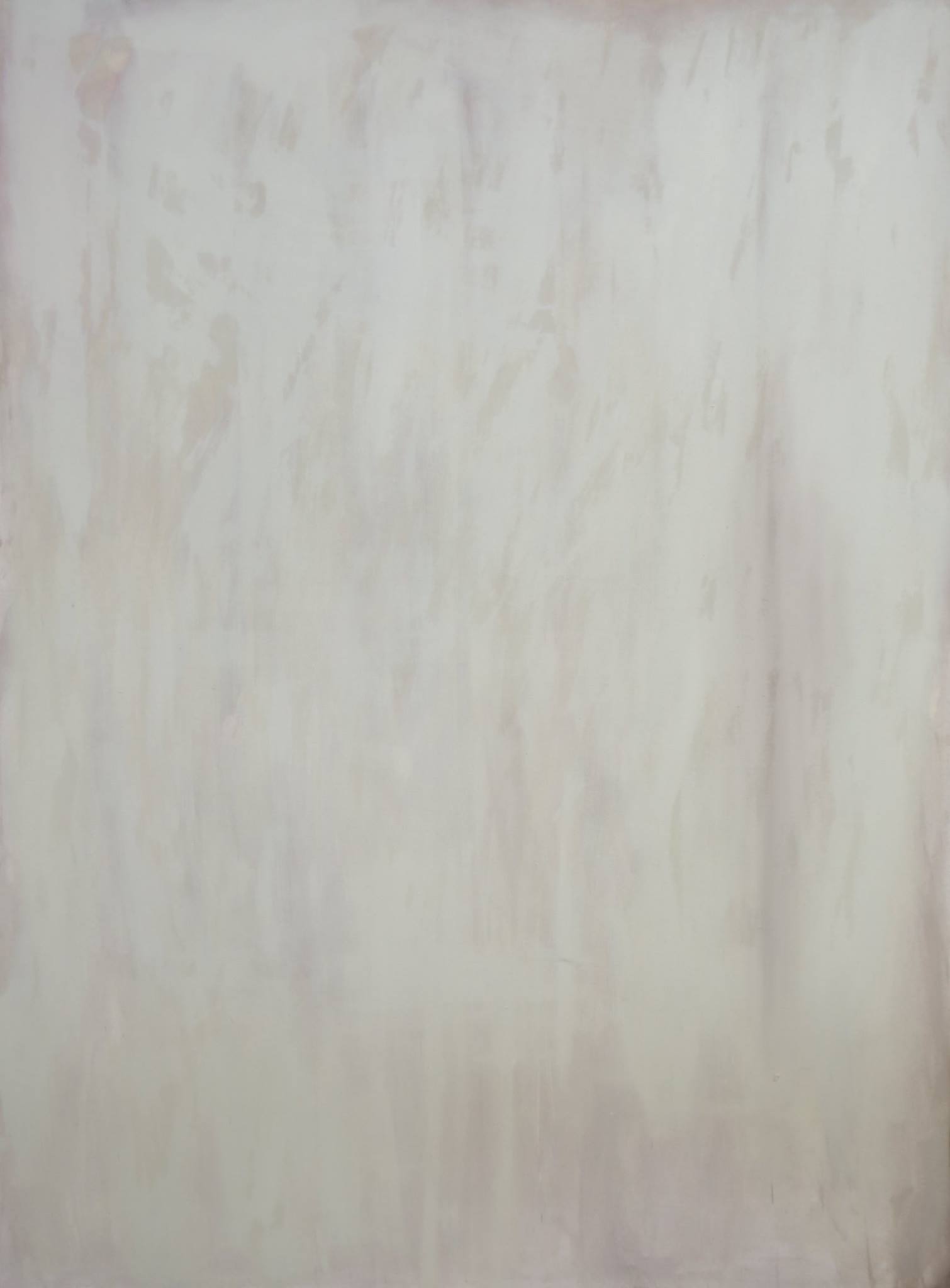
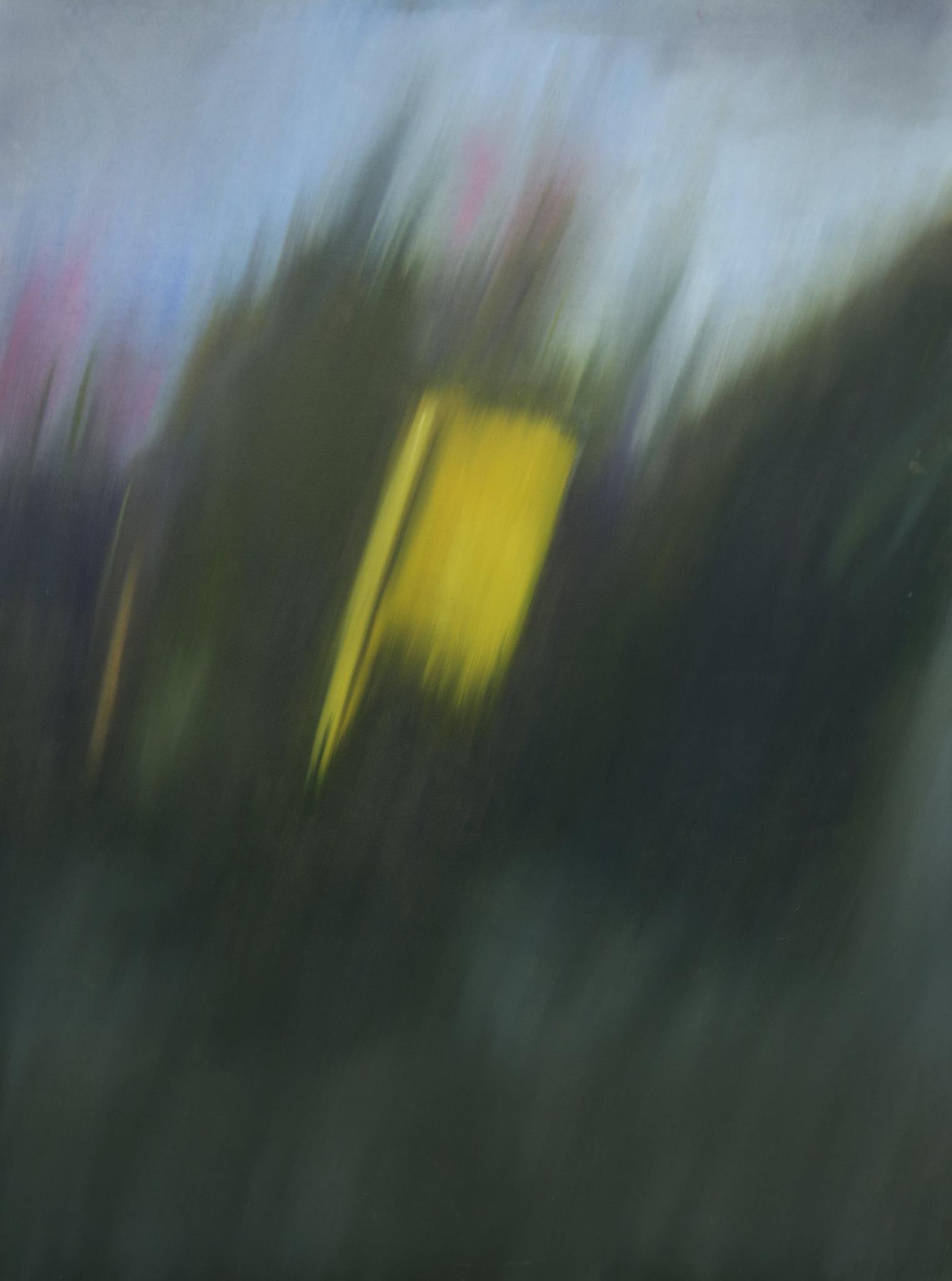
The exhibition features a series of large-scale, ostensibly banal paintings that challenge the notion of painting as a vessel for political or transgressive meaning. The works include images of blank sheets, accidental and blurred photographs, chaotic gestural abstractions—unfinished, tentative, and reflective of painting’s perceived exhaustion as a medium. References and copies of canonical artworks further comment on the historical significance and subsequent devaluation of such gestures.
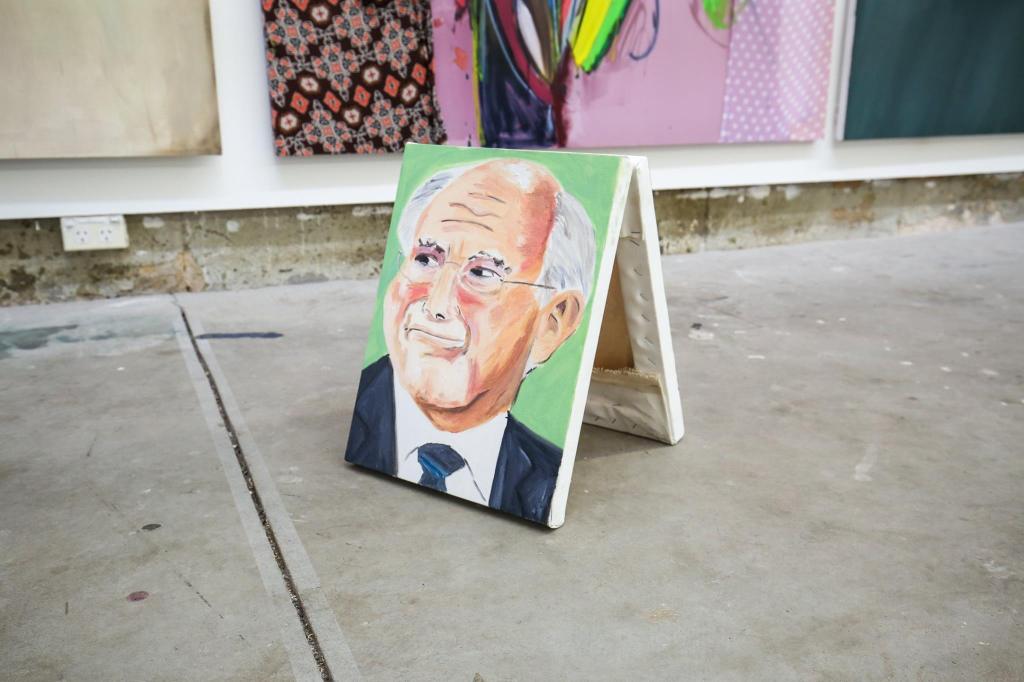
A central component of the exhibition is a series of six paintings—exact reproductions of George W. Bush’s portrait of Australian Prime Minister John Howard, both figures associated with the Iraq invasion. Repeating this image six times, the work critiques the seeming futility of painting as a political act, exposing its commodification and the dissonance between its historical potential and its current banalization. The fact that a war criminal can occupy his time with painting underscores the medium’s abdication of radical or subversive power.
Ektorp Suite confronts the viewer with the exhaustion of painting’s political agency, raising questions about its capacity for resistance or transformation amid its transformation into a decorative object—an ornamental fixture in affluent spaces. Through these layered, reflexive works, the exhibition signals the end of an era in which painting could serve as a meaningful site of political engagement.



 IAI Institute